India Has 1.46 Billion People. The Last Count Was 2011
Every 2026 population figure for India is a projection built on a 2011 enumeration. Here is what that changes and what it does not.
Primary source: Census tables | Government of India →
Seat shares, welfare ratios and every per person statistic rest on a count taken fifteen years ago. The estimate is not the enumeration.
Short answer: India’s population is estimated at about 1.46 billion in 2025. That is not a count. The last completed census enumerated the country in 2011, when it recorded roughly 1.21 billion people. The number you see in a 2026 headline is a projection carried forward from that enumeration, and the gap matters most for claims about states, castes and cities.
1. What a census is, and when India last had one
A census attempts to enumerate every resident, usually household by household, on a reference date. India’s census is run by the Office of the Registrar General and Census Commissioner under the Ministry of Home Affairs. The official census tables page still organises its data by census year, with the A-01 table covering villages, towns, households, population and area for 2011.
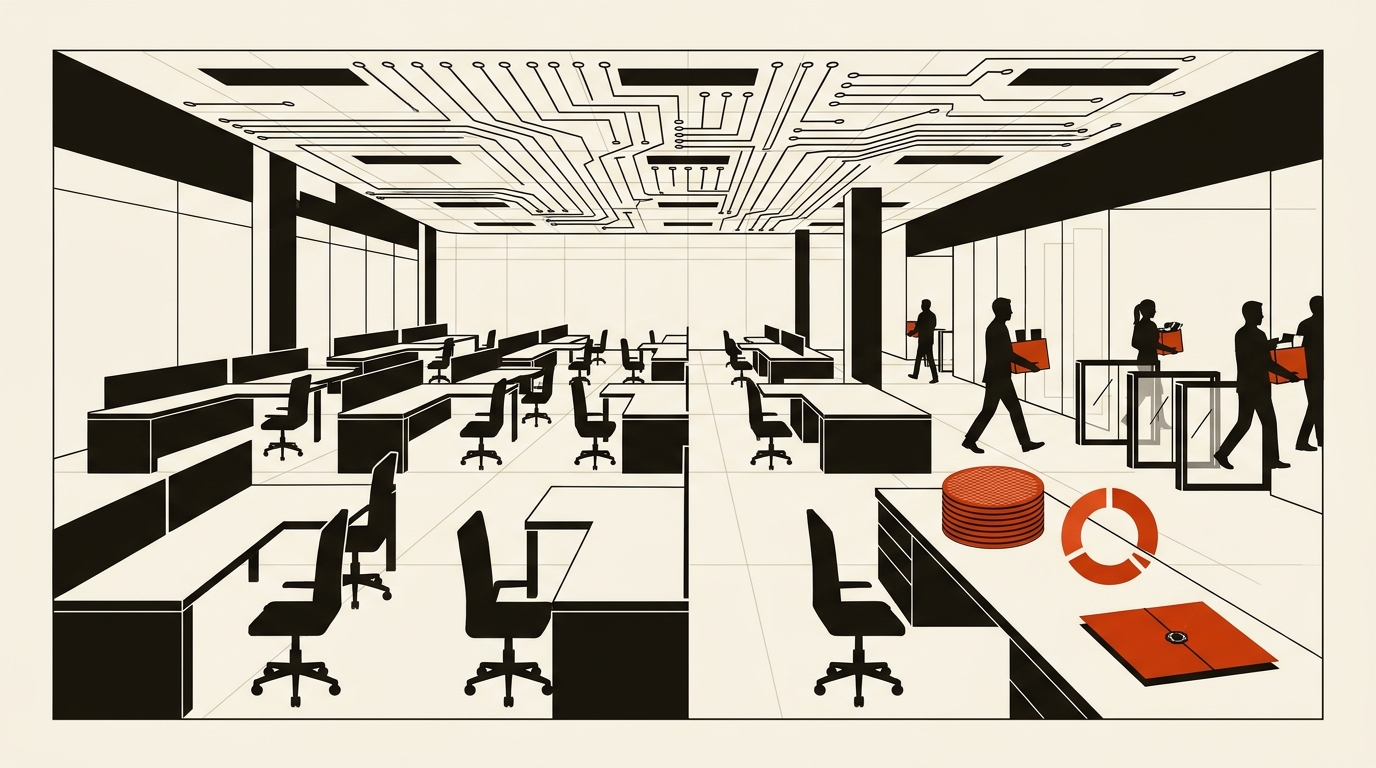
The 2021 census was meant to fix that. A Press Information Bureau release records the plan: two phases, houselisting and housing census during April to September 2020, and population enumeration from 9 to 28 February 2021. The release also records that the plan was disrupted by Covid-19. The dedicated census 2021 page now carries the notice rather than a completed set of tables.
So the most recent full count of India’s people is fifteen years old.
2. Where the 1.46 billion comes from
The World Bank’s SP.POP.TOTL series supplies annual population estimates. We pulled it on November 19, 2026.
| Year | Estimated population |
|---|---|
| 1991 | 883,927,600 |
| 2000 | 1,057,922,733 |
| 2010 | 1,243,481,564 |
| 2014 | 1,312,277,191 |
| 2020 | 1,402,617,695 |
| 2023 | 1,438,069,596 |
| 2024 | 1,450,935,791 |
| 2025 | 1,463,865,525 |
These are estimates extrapolated from earlier censuses and surveys. They are the right numbers for a national total over time. They are not a substitute for a district-level count.
3. What the difference changes
Three kinds of claim need the enumeration rather than the estimate.
State shares. A seat allocation or a fiscal transfer based on population needs a counted denominator by state. Our Lok Sabha seat arithmetic piece shows what happens when the choice of census year moves seats between states.
Sub-groups. Language, religion and caste figures come from census questions, not from the annual series. Any claim about how a particular community’s share changed since 2011 is using a survey, not a count.
Cities. Urban and rural splits, and the population of a single town, are enumeration outputs. Estimates at national level cannot settle them.
None of that means the annual series is wrong. It means it answers a narrower question than people assume.
4. The two numbers people mix up
The 2011 census recorded about 1.21 billion. The 2025 estimate is about 1.46 billion. The difference is roughly 250 million people, and it is the source of a recurring error: a post will quote the 2011 figure as “India’s population” and then use the 2025 figure in a per person calculation, treating both as counts.
This matters for the economy too. The GDP per person figures in our comparison of India’s GDP in 1991 and 2025 use the estimated series. Swap in the 2011 count without saying so and the average changes.
5. The honest sentence
If you need one line that survives scrutiny, use this: India’s last completed census counted 1.21 billion people in 2011; current estimates put the population near 1.46 billion in 2025, and the two are different kinds of number.
That sentence is less dramatic than “India has 1.46 billion people.” It is also the one a fact-checker can defend.
Sources to check yourself
- Census tables, Government of India: the A-01 table and the census-year structure.
- Census 2021, Government of India: the current state of the 2021 exercise.
- Press Information Bureau release on the 2021 census: the two-phase plan and the February 2021 enumeration dates.
- World Bank API, population total for India: the annual estimates in the table.
Frequently asked questions
Q: What is India’s population in 2026? A: Current estimates are around 1.46 billion, based on a 2025 figure of 1,463,865,525 in the World Bank series. It is an estimate, not an enumeration.
Q: When was India’s last census? A: 2011. The 2021 census was planned in two phases but was disrupted before population enumeration could be completed.
Q: Why does it matter for seats and welfare? A: Both use population denominators. A counted denominator by state is different from a national projection, and the choice can move seats between states.
Reader discussion
Conversation for this story opens with memberships. Until then: found an error? Report it — we correct visibly.