Are Dinosaurs Coming Back? What the Mexico and Loch Ness Sightings Prove
Viral videos of a pterosaur in Mexico and a record 15 Nessie sightings in 2026 sparked claims that prehistoric creatures are back. Here is what science says.
Verdict: false alarm.
Primary source: Cretaceous-Paleogene fossil boundary records and Loch Ness environmental DNA survey data →
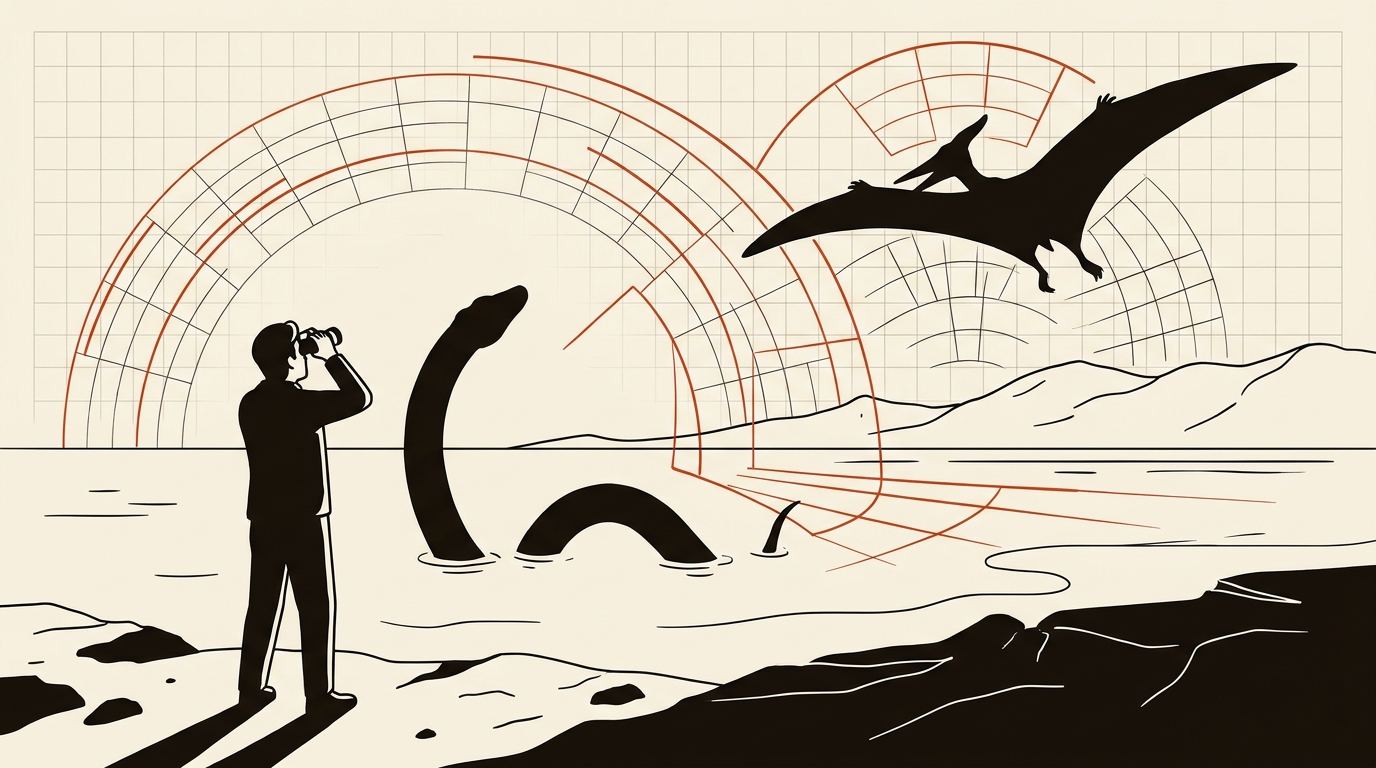
Viral clips blend actual wildlife with digital edits to claim ancient revivals, obscuring the evolutionary reality that living birds already carry theropod ancestry.
Short answer: Prehistoric monsters are not rising from extinction, though technically one lineage never left. The viral “pterodactyl” filmed over Ciudad Juárez was a great blue heron whose footage was digitally enhanced with artificial intelligence. Across the Atlantic, the 15 registered Loch Ness sightings in 2026 reflect heavier tourist traffic and webcam observers, not surviving plesiosaurs. Non-avian dinosaurs and giant flying reptiles vanished 66 million years ago, but avian dinosaurs survive around us as modern birds.
1. Why two continents are seeing prehistoric beasts in 2026
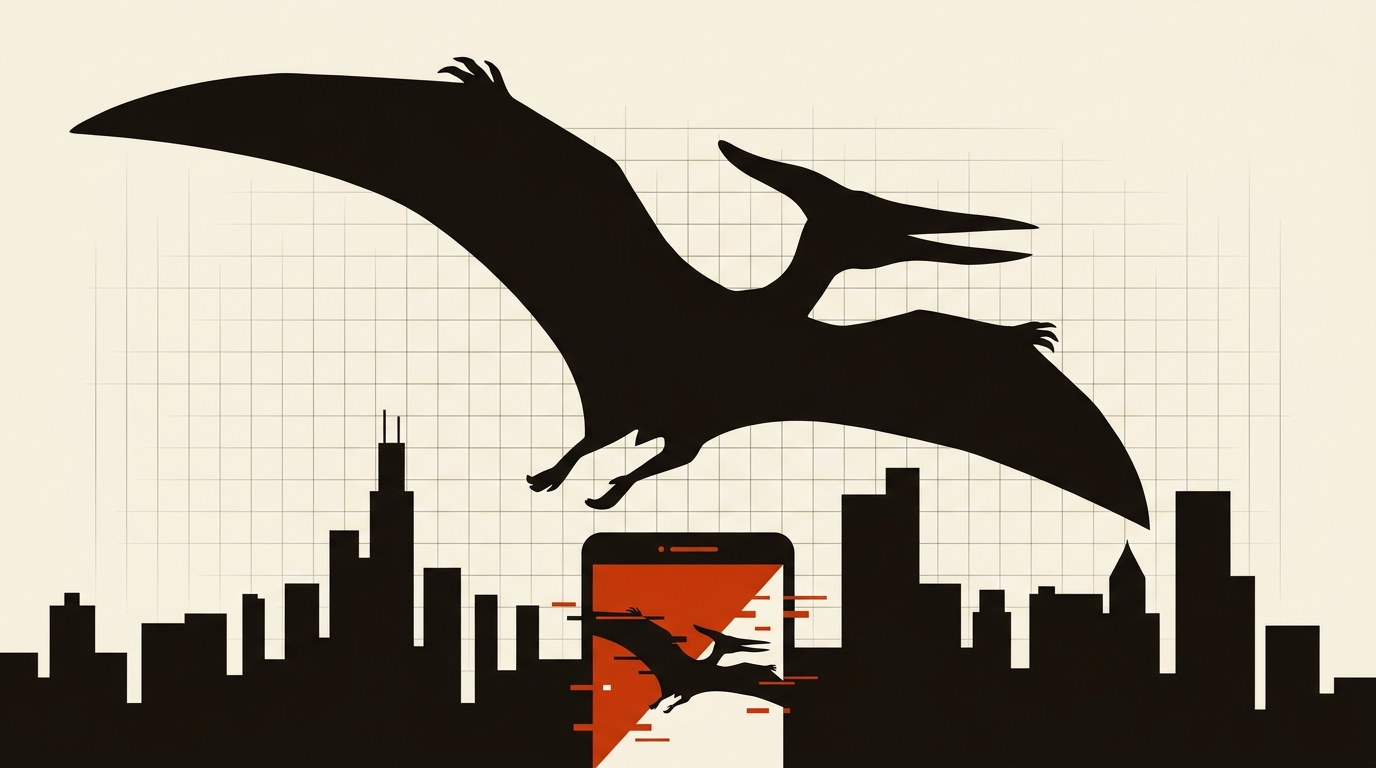
Social media feeds in late 2026 experienced an unusual wave of cryptozoological fever. The fascination began when footage from Ciudad Juárez in Mexico showed a massive winged silhouette flapping over rooftops and allegedly attempting to lift a pet dog. Online speculation accelerated when ufologist Jaime Maussan aired the clips on television, suggesting the creature was an interdimensional Pteranodon.
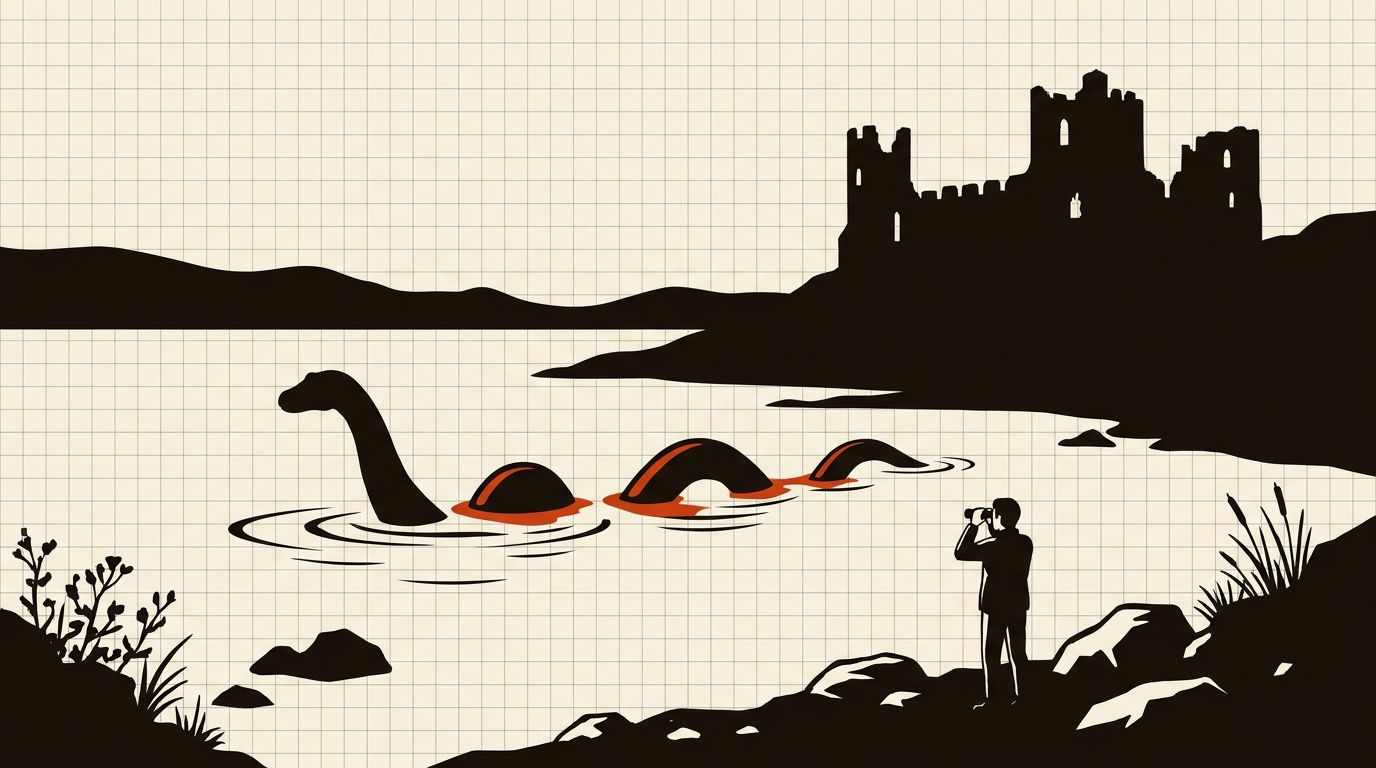
Almost simultaneously, cryptozoology enthusiasts pointed to Scotland, where the Official Loch Ness Monster Sightings Register logged 15 confirmed witness reports in 2026 alone. That tally marked a 150 percent increase over the six sightings registered during 2025. With observers describing multi-humped shapes, 20-foot wakes, and serpent-like heads, viral commentators asked whether ancient megafauna had survived undetected.
The two events fed into a single narrative: that prehistoric creatures might still roam remote waters and open skies.
2. Breaking down the receipts: AI birds and peaty wakes
When subjected to forensic and biological analysis, both viral phenomena break apart into conventional explanations.
As documented in our investigation into the viral Juárez flying monster footage, vertebrate palaeontologist Evan Jevnikar pointed out fatal anatomical errors. Real pterosaurs possessed pycnofibres rather than bare skin, glided rather than sustained rapid flapping, and lived near prehistoric coastlines rather than Chihuahua inland deserts. Local Civil Protection director Sergio Rodríguez confirmed the clips were digital entertainment, while news investigations revealed artificial intelligence had enhanced real footage of an ordinary great blue heron.
The Scottish sightings tell an equally grounded story. As detailed in our breakdown of the Loch Ness Monster sighting surge, the register logs witness impressions rather than verified specimens. Out of 15 entries in 2026, reports originated from travelers visiting from the United States, Canada, Australia, Malta, Spain, and Germany.
Decades of field research show that surface mirages, wind-driven standing waves, boat wakes, and floating debris regularly deceive observers on the 23-mile body of water. A comprehensive 2019 environmental DNA study by Professor Neil Gemmell analyzed thousands of genetic samples from the loch. The study detected zero reptile or dinosaur sequences, finding only heavy concentrations of native European eel DNA.
3. Did dinosaurs actually go extinct?
The popular belief that dinosaurs died out entirely is biologically inaccurate, which explains why ancient silhouettes keep reappearing in human imagination.
During the Cretaceous-Paleogene mass extinction 66 million years ago, non-avian dinosaurs, pterosaurs, and marine reptiles perished. However, small feathered theropods survived the catastrophe. Those surviving lineages diversified into the more than 10,000 avian species that inhabit our planet today.
When viewers in Mexico marveled at the slow wingbeats and 6.5-foot wingspan of a great blue heron against a pale sky, they were looking at a genuine descendant of theropod dinosaurs. The irony of the viral video lies in digital artists using AI filters to turn an actual living dinosaur into an inaccurate version of an extinct reptile.
Sources to check yourself
- Official Loch Ness Monster Sightings Register: Public ledger tracking 2026 witness submissions and dates.
- Ciudad Juárez Civil Protection Disclosures: Municipal notice categorizing viral aerial clips as digital entertainment.
- Palaeontologist Evan Jevnikar Video Analysis: Breakdown of flap aerodynamics, skin morphology, and fossil geography.
- University of Otago Environmental DNA Survey: Metagenomic sequencing study evaluating vertebrate biodiversity in Loch Ness.
Frequently asked questions
Q: Are non-avian dinosaurs or pterosaurs returning from extinction? A: No. Pterosaurs and non-avian dinosaurs left no surviving fossil lineages past the 66-million-year boundary. Genetic material decays far too quickly for ancient revival, and reported sightings consistently resolve into modern fauna or altered media.
Q: Why do Loch Ness sightings fluctuate so dramatically from year to year? A: Sighting spikes correlate directly with media publicity, expanded high-definition webcam access, and seasonal tourist volumes around Urquhart Castle. When news outlets report an early sighting, incoming travelers actively scan the water with confirmation bias.
Q: How does science classify modern birds in relation to dinosaurs? A: Cladistic biology classifies modern birds as avian dinosaurs belonging to the clade Theropoda. While iconic species like Triceratops or Tyrannosaurus are extinct, their close feathered relatives remain common across terrestrial ecosystems.
Reader discussion
Conversation for this story opens with memberships. Until then: found an error? Report it — we correct visibly.