
Rankings, maps and what the data says
A ranking is a claim dressed as a number. This hub keeps the guides that show the denominator, the question wording and the gap between a country and its cell in a table.
Verified coverage
How to Read Rankings Without Getting Fooled
Five questions to ask before you let a rank near a headline: who was asked, what was the exact ask, when, which kind of data, and who gains from your share.
Safest Country Maps Hide the Same Footnote
Crowd clicks are not victim surveys. Numbeo versus Gallup versus UNODC crime data in plain terms, plus a 30-second check before you share.

Finland #1 Happiest, Bangladesh Last? What It Measures
The happiness ranking is not a beauty contest: six inputs, a survey ladder and a GDP and corruption component. Full context shifts both countries.
Dhaka Beyond the Rank: What Visitors Film Past Day Two
Bangladesh sits near the bottom of the happiness ranking. Here is what the ranking measures, what it leaves out, and what a city looks like when you read past the cell.
Passport Rankings Count Differently. That Is the Point.
Police logs climb when rules widen. Victim surveys tell a flatter story. Here is how to check a ranking in four minutes.
Sweden Crime Headlines vs Survey Data: Same Trap, New Flag
Brå records every reported offence, including attempts and repeat offences on one victim. Cross-country rankings that ignore that rule flatter or frighten in equal measure.
Is Britain the 'Rape Capital'? What the Crime Data Shows
Viral maps rank Britain top for rape. But police counts reflect recording rules and reporting rates, not the true prevalence of sexual violence.
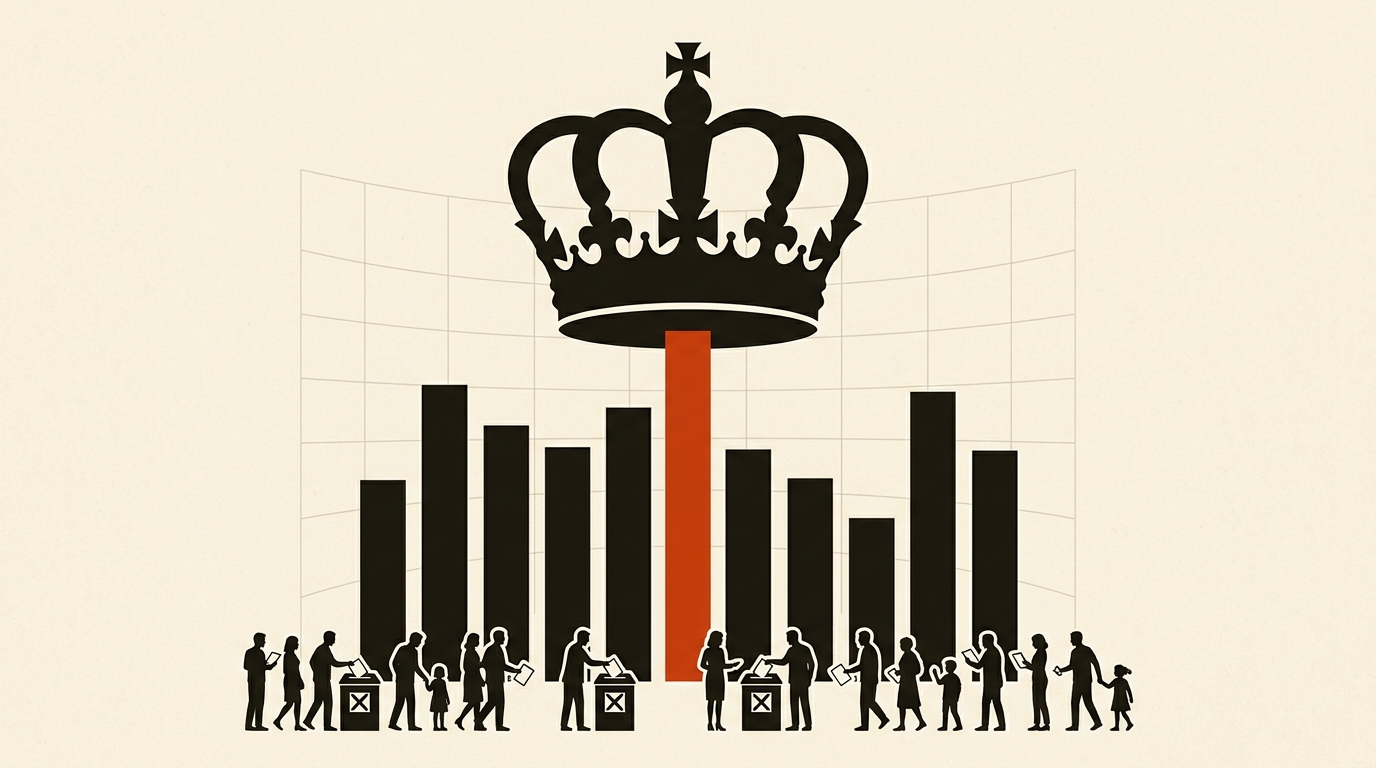
UK Royal Approval Ratings: No Living Royal Compares
Queen Elizabeth holds 81% positive even after death. The highest living royal, William, sits at 76%. The gap tells the story.
Every claim on this site is checked against a primary document. Read how we verify and our corrections log.