Binance's $6.3B Recovery Scramble: Can the Exchange Actually Guarantee All Customer Losses?
Binance claims it froze half of the $6.3 billion stolen in a record hack and promised to cover all losses, but legal experts and history tell a much more cautious story.
Verdict: misleading.
Primary source: Binance Official Executive Statements and US Federal Law Enforcement Investigative Filings →
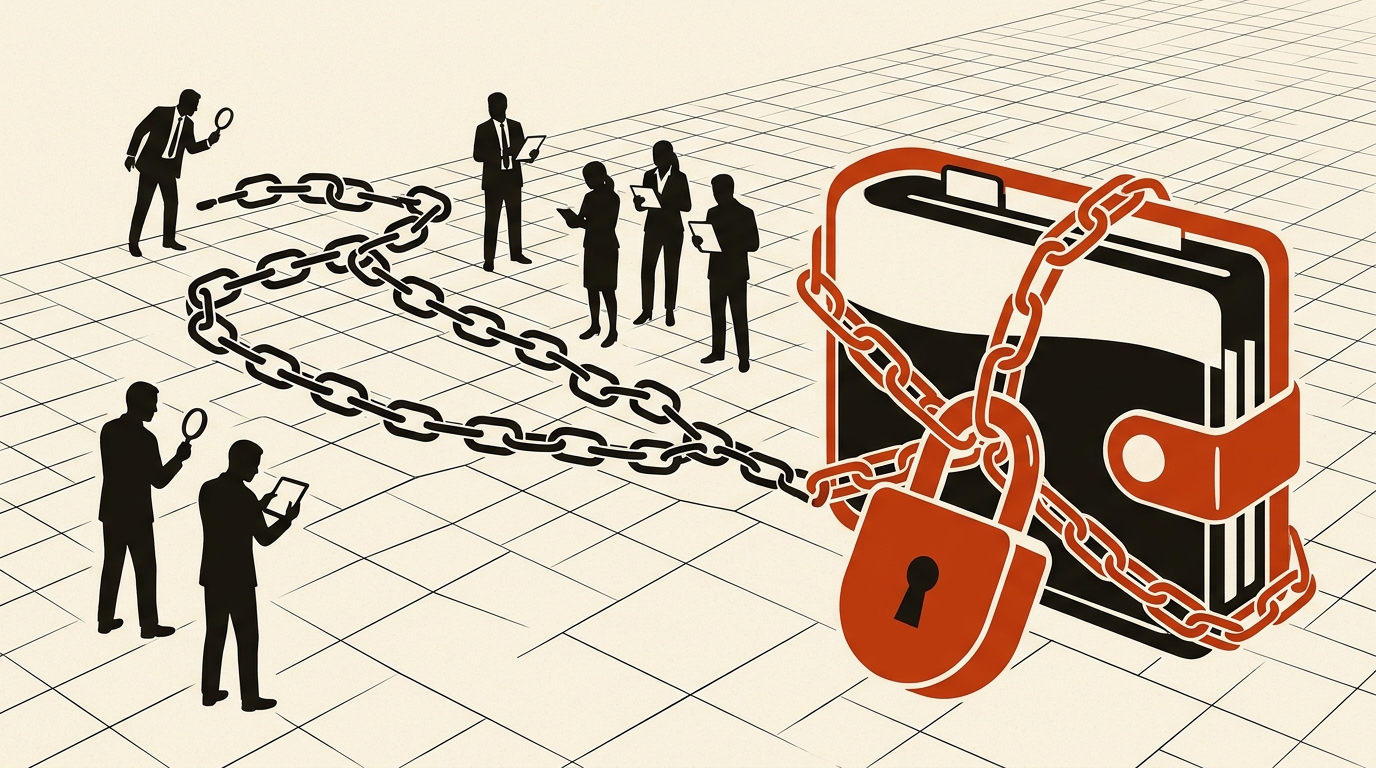
While stablecoin issuers froze $2.4 billion, billions remain in hacker hands, and customer terms of service often leave users with zero legal guarantees if clawbacks fail.
Short answer: Binance has not recovered all of the $6.3 billion stolen in its record-setting security breach. While the company and its industry partners managed to freeze roughly half of the funds, over $3 billion remains missing in the wallets of unidentified attackers. Binance leadership assured users that the platform will cover every loss out of corporate funds. However, legal scholars warn that marketing promises posted on social media are not the same as legally binding guarantees. If recovery efforts stall or the financial hole proves too deep, standard user agreements give retail traders very few legal protections.
1. The numbers behind the recovery effort: What is frozen vs missing
In the chaotic hours following the $6.3 billion breach itself, an international coalition of law enforcement agents, blockchain detectives, and private token issuers mobilized to stop the bleeding.
The financial breakdown reveals how much ground remains uncovered:
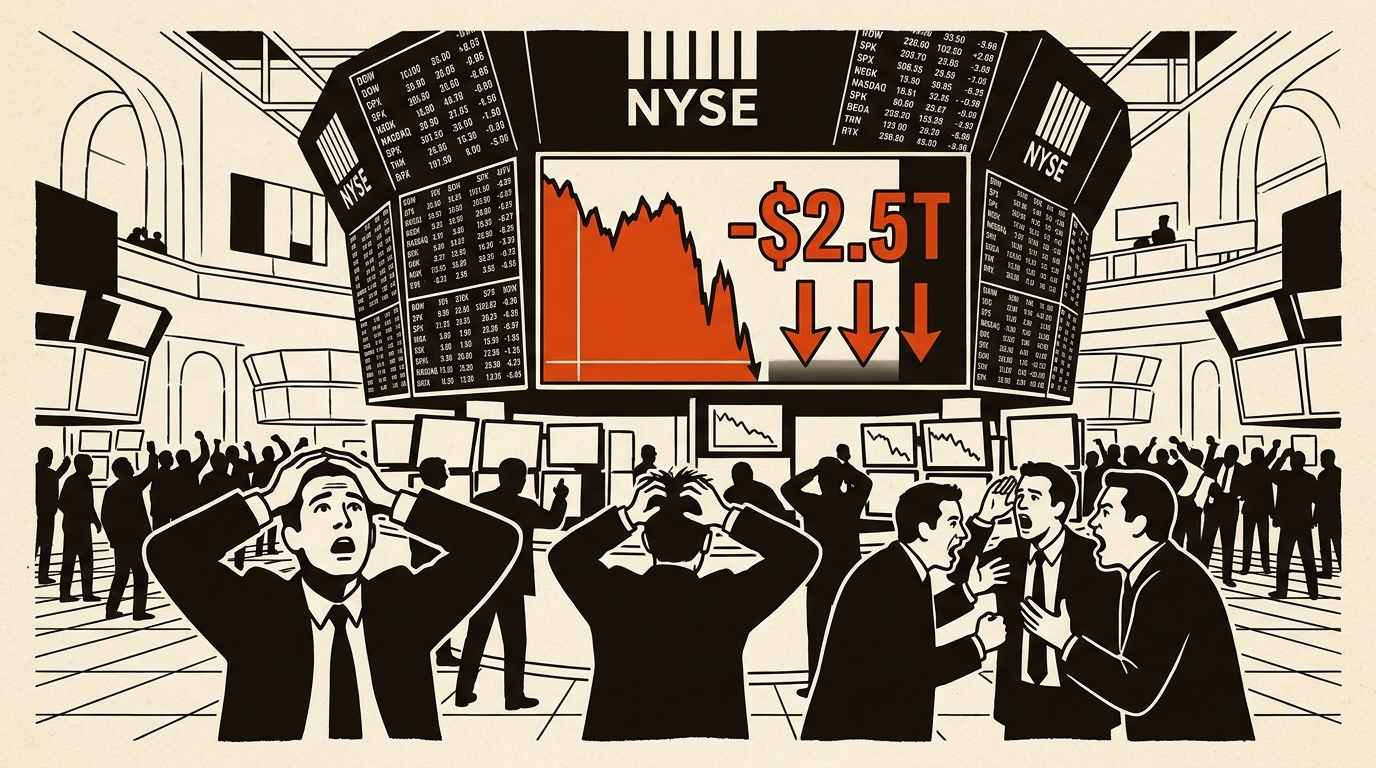
- Total funds impacted: Binance confirmed that hackers touched $6.3 billion in customer digital tokens, representing the biggest digital asset theft in world history.
- Immediate stablecoin freezes: Centralized dollar-pegged token issuers acted within minutes. Tether, the company behind USDT, and Circle, which manages USDC, blacklisted suspicious receiver addresses, freezing approximately $2.4 billion.
- Internal platform containment: Binance fraud algorithms and partner exchanges locked down an additional $600 million in volatile tokens before they could be transferred to decentralized mixers.
- Unaccounted balance: Despite these urgent moves, more than $3.3 billion slipped through the net. Those assets were split into thousands of smaller transactions and swapped into unfreezeable coins like Bitcoin.
In total, roughly $3 billion has been successfully secured. That still leaves more than $3 billion in the hands of the attackers.
2. Federal agencies step in: A global cross-border hunt
Because the heist involved dollar-pegged stablecoins and global financial infrastructure, United States federal agencies launched an immediate investigation.
The United States Secret Service confirmed its cyber teams are working around the clock to identify, trace, and freeze stolen tokens. As the lead federal agency tasked with investigating digital financial crimes, the Secret Service is partnering with the Federal Bureau of Investigation (FBI) to dismantle the money-laundering network.
Even though Binance stated that its dedicated American platform, Binance.US, was not targeted, American prosecutors hold extensive extraterritorial jurisdiction. Whenever hackers touch dollar-linked stablecoins or route traffic through American cloud servers, federal authorities can seize addresses and seek criminal indictments.
Recovering cryptocurrency across international borders is notoriously difficult. Blockchain records show that the attackers are laundering stolen coins through automated cross-chain bridges and privacy protocols.
To make matters worse, Binance co-CEO Richard Teng confirmed that the intruders deployed self-destruct routines inside breached systems. These scripts wiped administrative tooling, altered server timestamps, and destroyed digital audit trails as the attackers moved.
Forensic analysts must reconstruct fragmented evidence while racing against automated scripts designed to cash out stolen funds into hard currency.
3. “Your money is safe”: The legal reality behind Binance’s pledge
Following the breach, Binance published repeated statements reassuring customers that their balances were protected. The exchange announced that it set aside more than $6.34 billion in company capital and was actively buying replacement tokens on open markets.
Traders welcomed the announcement, but contract law attorneys suggest consumers should take those promises with a grain of salt.
Daniel Tunkel, head of financial regulation at the London-based law firm Edwin Coe, pointed out that corporate blog posts do not rewrite legal agreements:
- Terms of service limits: Standard exchange user agreements explicitly state that companies are not liable for losses resulting from unexpected cyberattacks, system bugs, or third-party exploits.
- Unenforceable statements: An executive saying on social media that an exchange will cover losses does not automatically create a legally enforceable contract for every retail user.
- Painful past precedents: In November 2022, FTX executives insisted user deposits were completely backed just days before the company filed for Chapter 11 bankruptcy. While Binance remains significantly larger and better capitalized, blind trust is rare in the crypto market.
If Binance experiences a sudden wave of user withdrawals or if token prices swing wildly while the exchange buys back billions in assets, liquidity cushions can evaporate quickly.
Similar vulnerabilities have repeatedly shaken other sectors, from compromised financial infrastructure to centralized clearing houses. Whether Binance can absorb a multi-billion-dollar hit without passing the cost to users remains the central question facing the industry.
Meanwhile, investigators tracking the money believe they are confronting well-funded state-sponsored cyber heist units. Recovering the remaining billions from an adversary that answers to no foreign court will test the limits of modern cyber law.
Sources to check yourself
- US Department of Justice Cyber Operations: Read press statements on international cryptocurrency seizure operations and mutual legal assistance treaties.
- United States Secret Service Financial Crimes Task Force: Review advisories on tracing stolen digital assets and cross-chain money laundering.
- Edwin Coe LLP Financial Regulatory Insights: Examine legal commentary regarding crypto exchange user contracts and custodial liabilities.
- Chainalysis On-Chain Trace Reports: Track frozen stablecoin smart contract events across Ethereum, Tron, and Binance Smart Chain networks.
Frequently asked questions
Q: Did Tether and Circle have the legal right to freeze those stolen funds? A: Yes. Unlike decentralized cryptocurrencies such as Bitcoin, centralized stablecoins like USDT and USDC are programmed with smart-contract blacklisting functions that allow issuers to freeze tokens upon request from law enforcement or victims.
Q: Can Binance users withdraw their funds right now? A: Binance paused crypto withdrawals immediately following the hack to secure internal environments. The exchange resumed selected deposit operations and stated that normal withdrawal services will reopen gradually as system audits finish.
Q: What happens if the remaining $3.3 billion is never recovered? A: Binance pledged to use its own corporate treasury and insurance reserves to cover the deficit. If company funds prove sufficient, users should see their account balances restored. If not, users might face partial withdrawal limits or legal battles.
Q: Is Binance insured against cyber hacks? A: Binance maintains an internal self-insurance fund known as the Secure Asset Fund for Users (SAFU). While SAFU holds substantial reserves, absorbing a historic $6.3 billion hit will stretch exchange finances to unprecedented levels.
Reader discussion
Conversation for this story opens with memberships. Until then: found an error? Report it — we correct visibly.