How One Indian Pilot’s Heroism Prevented a World War III Trigger
When an attacker attempted to crash a flydubai flight to Tel Aviv, an Indian pilot's heroic defense saved 180 lives and averted a massive geopolitical crisis.
Primary source: HindustanTimes →
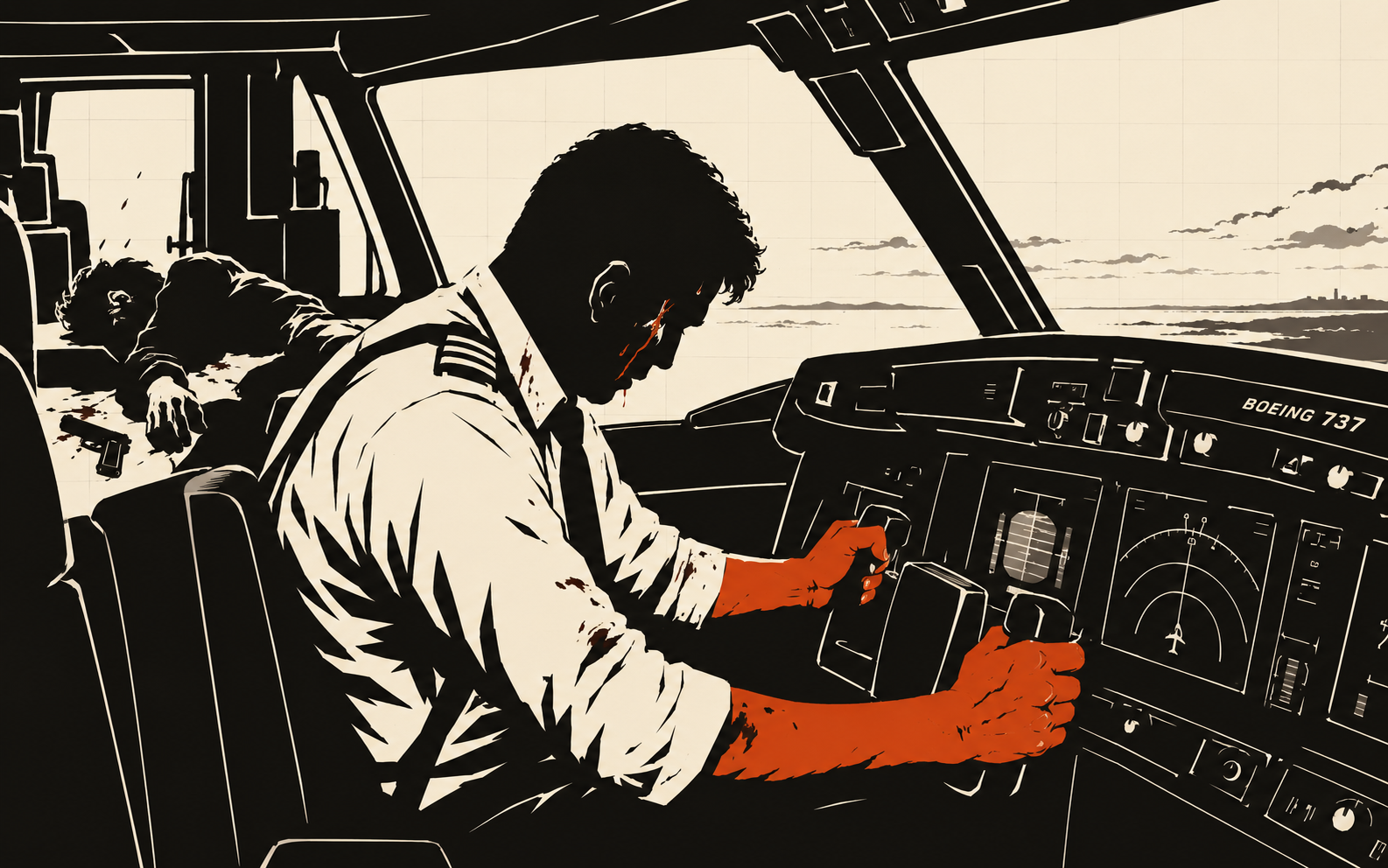
A single act of heroism in the cockpit prevented what intelligence experts believe could have been a catastrophic trigger for a regional war.
Short answer: Captain Smit Machchhar, an Indian pilot from Mumbai, was stabbed by his co-pilot but managed to stop an attempt to crash flydubai Flight FZ1073. His actions saved 180 lives and prevented a geopolitical chain reaction that military experts warn could have sparked a regional war involving nuclear superpowers.
1. What the viral post shows
Reports circulated that flydubai Flight FZ1073, flying at 14,000 feet over the Middle East en route to Tel Aviv, experienced a severe security crisis. The public soon learned that Captain Smit Machchhar was hailed a hero by world leaders, including Indian Prime Minister Narendra Modi, US President Donald Trump, and Israeli Prime Minister Benjamin Netanyahu, for preventing a catastrophic crash.
2. What the data actually says
The incident involved a direct attack in the cockpit. Captain Machchhar was stabbed by his Omani co-pilot, who attempted to deliberately crash the Boeing 737. Despite severe injuries, Captain Machchhar fought back, managed to open the cockpit door, and with the help of crew members, subdued the attacker. This allowed the plane to make a safe emergency landing in Tabuk, Saudi Arabia, saving all 180 passengers on board.
According to military experts, this averted crash was not just a tragedy prevented, but a global crisis averted. There are three primary reasons this could have caused massive escalation:
- Mass Israeli passenger casualty: A significant portion of the passengers were Israeli citizens. A mass casualty event would likely have triggered a high-alert retaliatory response from Israel.
- Cross-Border Tension: The involvement of an Omani co-pilot as the attacker would have immediately sparked an intense security crisis between Israel, Saudi Arabia, the UAE, and Oman, potentially forcing nuclear superpowers to intervene.
- Incomplete Information: In high-tension scenarios in the Middle East, incomplete initial intelligence regarding a plane crash often leads to immediate military counter-strikes against suspected nations.
3. What’s missing / the footnote
While the heroism of Captain Smit Machchhar is rightly celebrated globally, the underlying vulnerabilities in cockpit security and crew mental health evaluations remain a pressing concern. A single pilot bleeding in the cockpit was the only barrier between 180 lives and a regional catastrophe, highlighting the fragile nature of geopolitical stability in the Middle East.
Sources to check yourself
- HindustanTimes reports on the flydubai incident
- TheHindu coverage of the international response
Frequently asked questions
Q: Who was the pilot that saved the flydubai flight? A: Captain Smit Machchhar, an Indian pilot hailing from Mumbai, successfully defended the cockpit against an attacker and safely landed the plane.
Q: Why was the incident considered a potential trigger for WW3? A: Because the flight was bound for Tel Aviv with many Israeli passengers, and the attacker was an Omani co-pilot. A crash could have been interpreted as an act of war, triggering retaliation and dragging in superpowers.
Reader discussion
Conversation for this story opens with memberships. Until then: found an error? Report it — we correct visibly.