How to Read a Best-Worst Country List Without Getting Fooled
Sample, wording, timing, and who gains from your share. The five-point check our desk runs before we publish.
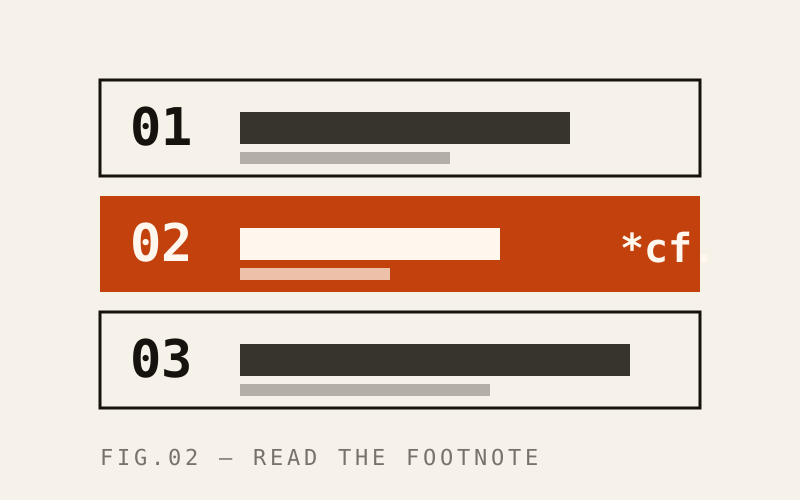
Every viral rank hides the same five choices. This checklist finds them in under a minute.
Viral maps hide five things. I check all five before I let a rank near a headline.
-
Who was asked? A poll of 1,000 city phone users is not a nation. Gallup notes urban skew in many states. A rural sample would flip farm states up and capitals down. If the piece hides n and mode, I stop reading.
-
What was the exact ask? A 0-10 life ladder crowns Nordics. “Happy yesterday?” crowns Latin America. Same week, different winners. I keep both wordings open when I compare. Writers who merge them mislead, often by accident.
-
When? 2021 locked streets. 2022 priced food. A 20-place swing can mark events, not worth. I plot three years, not one. Flat lines earn trust. Spikes earn a footnote.
-
Police or survey? Police logs track filing rules. Surveys track recall. Never rank logs across borders. The UN book says so on page one of method notes. I quote that page when commenters push back.
-
Who gains from your share? Outrage maps farm saves. Footnotes do not. I ask who posted first and what they sell. A visa agent gains from fear. A course seller gains from “worst” tags. Motive does not kill facts, but it sets my bar higher.
Our house rule stays plain: show the claim shot, link the raw table, list what we still lack. If I cannot find the source set, I write that in bold at the top. Readers forgive gaps. They do not forgive hidden gaps.
Reader discussion
Conversation for this story opens with memberships. Until then: found an error? Report it — we correct visibly.